Liquid Handcuffs
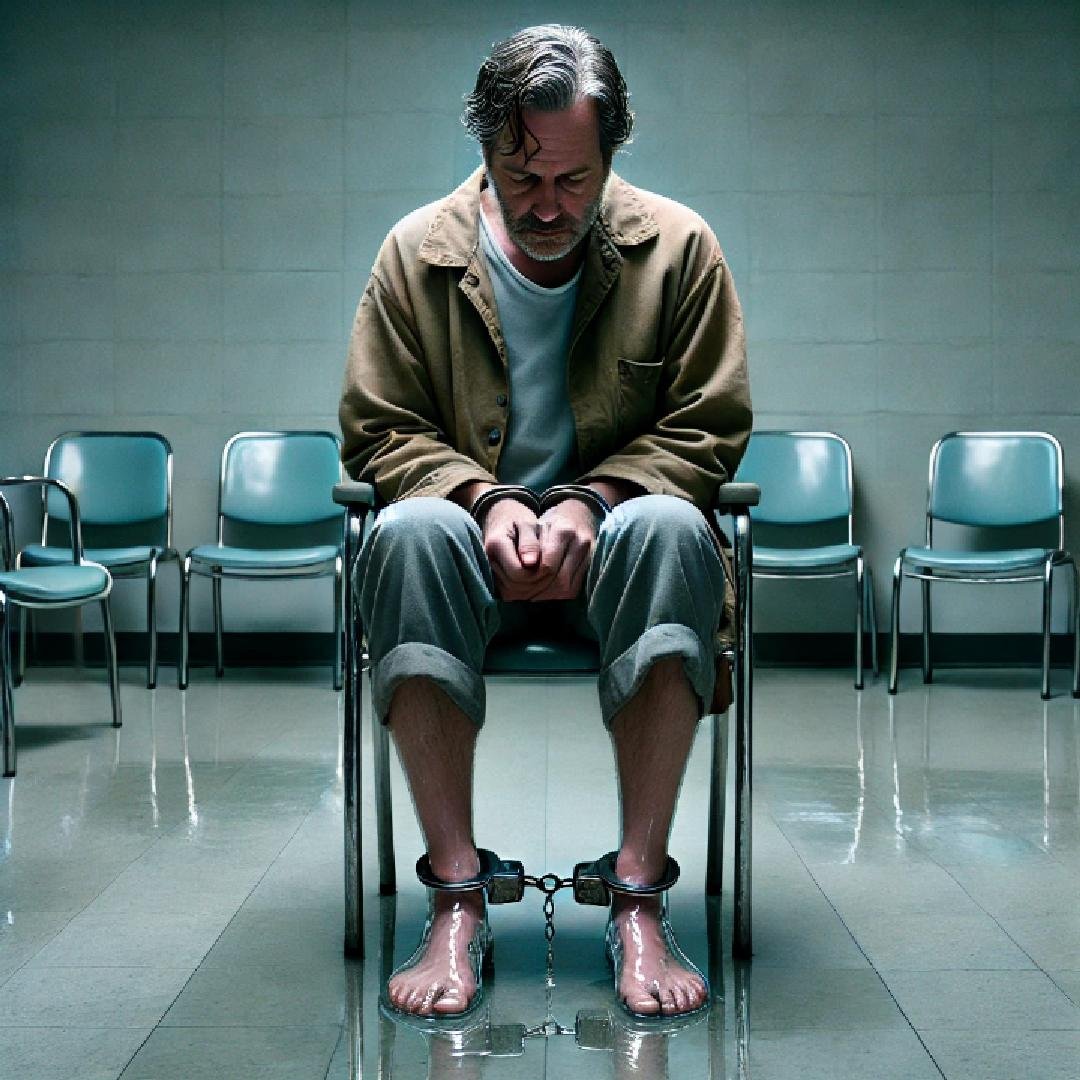
In 1978, I was a skilled machinist making precision parts for the U.S. Navy’s national security. I was trained to manufacture components for the F/A-18, the V-22 Osprey, the Seawolf submarine, nuclear triggers, and even parts for NASA satellites. I had a real career, real responsibility, and real pride in my work.
Five years in, everything changed.
One day at work, I fell and broke four discs in my back. I was put on workers’ compensation and sent to a long list of doctors. Every one of them prescribed painkillers — a lot of them — all fully covered by insurance. I took six Percocet a day for five years.
Eventually, the case was settled. I walked away with $55,000. I was also discharged from all of my doctors — and from a five-year, fully sanctioned opiate habit.
That’s when I met heroin.
I was twenty-nine.
At first, I snorted it. It wasn’t long before I was shooting it. From there, I was hooked. I didn’t drive, and I didn’t live near where I copped, so I started taking the bus down what everyone called “The Way.”
One day, I noticed a guy at the back of the bus — someone I saw often. We started talking. I asked him where he was headed. He told me he was on his way to the clinic.
“What kind of clinic?” I asked.
“A methadone clinic.”
I went home and researched it. Everything I read made it sound like methadone would save me from impending doom. Looking back now, everything that followed seemed to happen in reverse.
I started drinking methadone and, for the first week, it did help me physically. Mentally, though, nothing changed. I still had to pass the same places where I used to cop just to get to the clinic, because it was all in the same area. As I got to know people standing in line with me every morning waiting for our juice, I realized I had access to just about anything I wanted.
I had to go seven days a week. I never missed a day. And instead of getting better, I sank deeper into addiction.
I went to the clinic looking for help and found myself surrounded by addicts and a handful of therapists who seemed completely disconnected from whether I lived or died. For the next thirteen years, I went year-round without fail, putting methadone — and the lifestyle that came with it — ahead of everything, including my family.
Most of my life during that time was spent alone.
Before heroin, both my wife and I worked. After my accident, I was so heavily medicated on opiates and other drugs that even after my settlement and physical therapy, I became unemployable. I spent most of that settlement on dope. When the money ran out, I was left to con, cheat, steal, and manipulate every single day just to get well — either before or after the clinic.
After early mornings at the clinic, I’d come home, nod out on the couch, burn holes in my clothes, and stay that way until the next morning, when I’d do it all over again.
During those years, my wife became a terrible enabler — not out of malice, but out of denial. She couldn’t accept that I was an addict, or worse, a legal hostage to methadone. My daughter was two years old when I started using. Throughout her entire childhood and well into her teenage years, all she knew was an angry, impatient father. We barely communicated. I showed her no affection. She was afraid of the monster I had become.
That was twenty-two years ago.
A neighbor who lived above me — someone I’d known for over ten years — was also a dope fiend. Over time, we became like brothers, and I still consider him one today. He had gone on methadone too, but after a year, he transitioned to another opiate blocker called Suboxone.
One day, while we were hanging out, he told me how well it was working for him. I was jealous of his freedom. I trusted him, and if it worked for him, I thought maybe it could work for me. He offered to take me to his doctor, help me get in, and even sit with me and my family through the brutal detox and transition — about three days — because methadone and Suboxone do not mix.
I was terrified of change. But after thirteen years of hell, I told myself the truth: at this point, the only other option was death.
I followed the doctor’s instructions. My neighbor, my wife, and even my daughter stood by me through those three days until I stabilized. Within two years of leaving the methadone clinic, my anger had nearly vanished. I’m still on Suboxone today, but being removed from the lifestyle of the methadone clinic changed me profoundly.
I may not fit everyone’s definition of sobriety. I don’t attend twelve-step meetings. But I live with a healthy fear of ever returning to the life I escaped. I’ve always been an isolator, and I know that about myself. Coming off methadone was the greatest thing that ever happened — not just to me, but to my family, who were beaten down by that life right alongside me.
There is a kind of freedom that comes from not having to stand in line and report to a window every morning — a freedom only another hostage who has broken free can truly understand.
My wife, who has stood by me for nearly three decades, deserves much of the credit for why I’m alive. When she was diagnosed with ovarian cancer and fought for her life, I thank God I was finally present enough to fight beside her.
My daughter, now almost twenty-three, just graduated on the Dean’s List from Jefferson University Hospital and is studying arterial ultrasound. She has never used drugs or smoked cigarettes. I can’t describe how proud I am that she never followed in my footsteps. I was her example of what happens when addiction takes hold: you lose everything and everyone you love — even if you see them every day.
There was a time when I prayed to die in my sleep.
Today, I close my eyes at night in peace, knowing I have nowhere I’m required to be in the morning.